
 5 Minute Read
Contents:
Whether you have been teaching for 20 years or are currently working as an Early Career Teacher (ECT), you will be aware of just how easily the profession latches on to new fads, influences, or strategies that claim to be the “next big thing”.
One example that emerged within teaching in recent years is dual coding. In its ‘Cognitive Science in the classroom: Evidence and practice review’, the Education Endowment Foundation (EEF) states that outcomes from studies into the efficacy of dual coding in the classroom are mixed, with many reporting positive outcomes but others reporting either no effect or harmful effects.
Further to this, they admit that many of these studies are provided by researchers rather than examples of regular everyday classroom practice. This article aims to discuss some useful aspects of Dual Coding Theory and outline real classroom-based dual coding examples of how to deploy it effectively.
What is dual coding?
Dual Coding Theory outlines how effectively the human brain processes different modes of information.
In 1971, Allan Paivio proposed that we interpret information via one of two channels, the verbal (‘logogens’) and the non-verbal (‘imagens’). Verbal cognitive systems are responsible for processing language, whilst non-verbal cognitive systems deal with image-based information.
Dual coding is located under the broader umbrella of cognitive psychology and is a strategy used by teachers to reduce unnecessary cognitive load and support schema formation. According to John Sweller (2010) and Kürschner and Schnotz (2007), instructional cognitive load has three dimensions:
- Intrinsic: determined by the very nature of what is being learned (its natural complexity) or the existing knowledge level of the pupils
- Extraneous: the way in which information is presented to the pupil or the instructional factors at play
- Germane: the mental effort devoted to constructing and strengthening schemas in long-term memory
In a nutshell, effective dual coding can reduce unnecessary cognitive load and support schema formation, whereas poorly implemented dual coding can increase cognitive load and hinder learning.

What dual coding is not.
Learning styles rehashed
Sometimes teachers hear discussion of a ‘visual channel’ and assume dual coding is simply a repackaged version of learning styles. It is not. Dual coding is a theory of how information is processed, whereas learning styles – such as kinaesthetic, auditory, and visual – attempt to categorise learners according to preferred modes of learning.
It is generally agreed that learning styles-based approaches have been dismissed as a ‘neuromyth’, having little to no impact on pupil learning.
Adding pictures and icons to slides
Images are, of course, useful, but if they are solely decorative during instruction, they can become distracting, increasing the extraneous load and reducing the likelihood that the information is successfully encoded into long-term memory.
For this reason, photographs and videos should also be used sparingly and selectively when introducing new information to your pupils.
Avoiding images altogether
Oliver Caviglioli explained during ResearchEd 2017 that words can be complicated! When not associated with other information (i.e. said alone), they are “invisible” and “transient”, meaning they can increase complexity. Sometimes, a well-selected image, diagram, or graphic organiser can be more powerful than 1000 words.
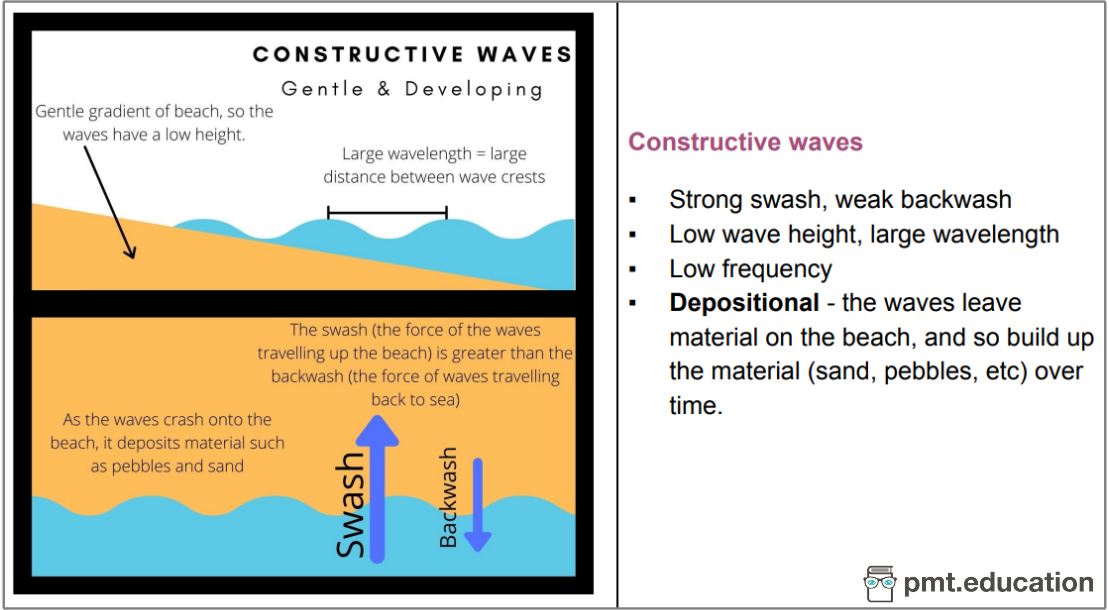
AQA GCSE Geography Coastal Landscapes resource on Physics & Maths Tutor
7 tips for employing dual coding in your classroom
Below are seven practical tips, along with dual coding examples, to help you implement the approach effectively in your classroom.
1. Minimise or remove decorative images
Images that are unrelated to the learning can distract attention and increase cognitive load.
2. Avoid overcomplicated visuals
Complex diagrams containing too much information may overwhelm pupils rather than support them – keep it simple.
3. Avoid text-heavy slides
Reading large amounts of text from a slide while pupils attempt to read the same text simultaneously can split attention. Instead, combine concise text with meaningful visuals.
4. Prioritise learning over appearance
The goal is not to create beautiful resources. Effective dual coding often involves simple sketches, diagrams, and graphic organisers that clearly communicate key ideas.
5. Use a visualiser
Following on from tip 4, a simple sketch whilst explaining a key concept can support pupils’ cognitive load. Visualisers allow for live drawing during instruction. Dual coding explanations, such as using a Sankey Diagram to illustrate the conservation of energy in physics, or a sketch of the water cycle in geography, can be incredibly powerful. The key principle is that the diagram and explanation develop together, helping pupils connect the visual representation with the accompanying language.
6. Encourage pupils to create their own visual representations
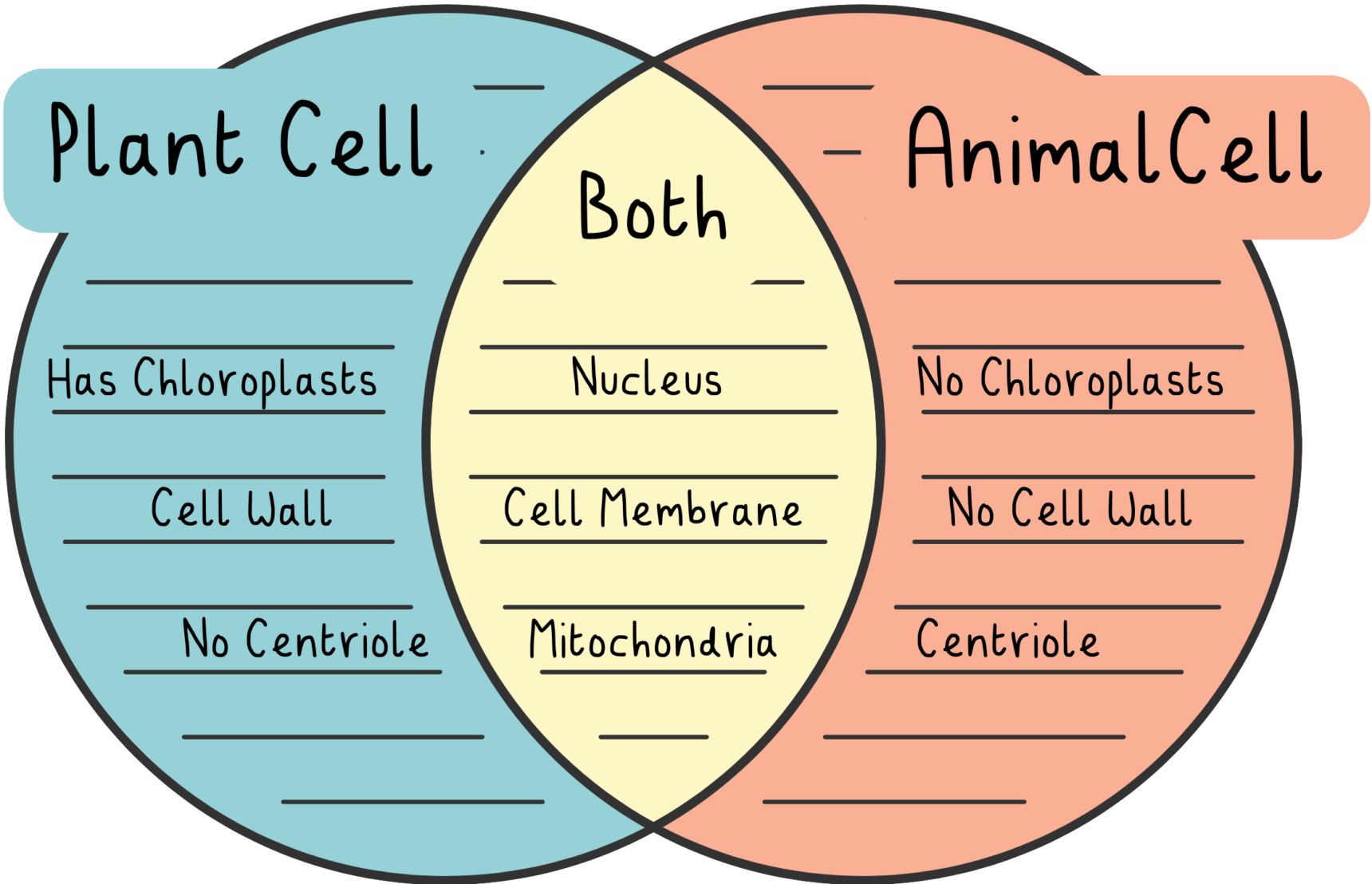
Dual coding becomes particularly powerful when pupils generate their own visuals. After learning a topic, pupils could be asked to create a concept map, draw a process diagram, produce a flow chart, or design a simple infographic summarising key ideas. The emphasis should be on representing understanding rather than artistic quality.
7. Support retrieval practice
Many retrieval activities rely heavily on written questions. However, pupils can be encouraged to reconstruct visual representations from memory. Examples include drawing and labelling a plant cell, sketching a food web, or recreating a timeline of historical events. A particularly effective strategy is the use of “blank diagrams”. Teachers provide an empty framework and ask pupils to complete it from memory before checking against a model answer.

Ultimately, dual coding is not about producing attractive resources or filling slides with images. It is about carefully combining verbal and visual representations in ways that support understanding and reduce unnecessary cognitive load.
Whether through a quick sketch on a visualiser, a labelled diagram, or a retrieval task built around visual recall, dual coding can provide teachers with another useful tool for helping pupils learn and remember more effectively.

 Copy URL







Comments