
 17 Minute Read
Contents:
Families come to home education for many different reasons. Some actively choose to educate their children outside the school system, while others find themselves considering home education because school is not working well for their child.
For parents, the decision to home educate can raise many questions. Do you have to follow the National Curriculum? What happens when your child reaches GCSEs or A Levels? And will home education affect their future education and career opportunities?
This guide explains the basics of home education in the UK and explores the key things parents need to know.
What is home education?
Home education is the term generally used in the UK to describe educating a child outside of the school system.
Parents have a legal responsibility to ensure their child receives a suitable education, and home education is one way of fulfilling that responsibility. Rather than enrolling their child in a school, parents who home educate arrange their child’s education outside of school.
Home education vs. homeschooling
You will also come across the term “homeschooling”. This is widely used, particularly in the US, and is sometimes used interchangeably with “home education”. However, in the UK, “home education” is the term generally used to describe educating a child outside of school. You will also see the term “elective home education” used in official guidance for England and Wales.
The term “home education” reflects the wide range of ways in which children can learn outside of school. By contrast, “home schooling” could suggest that a child is being taught at home in a way that recreates the traditional school environment. Home education does not necessarily involve this approach; learning can take place in a variety of settings and through many different approaches.
What does home education look like?
There is no single way to home educate, and families can choose an approach that suits their child. Some families may follow a structured timetable, with planned lessons and a curriculum covering particular subjects. Others may take a more flexible or child-led approach, allowing their child’s interests to guide what and how they learn.
Learning might involve:
- Project-based learning and practical activities
- Lessons and activities planned around particular subjects or topics
- Independent exploration and study
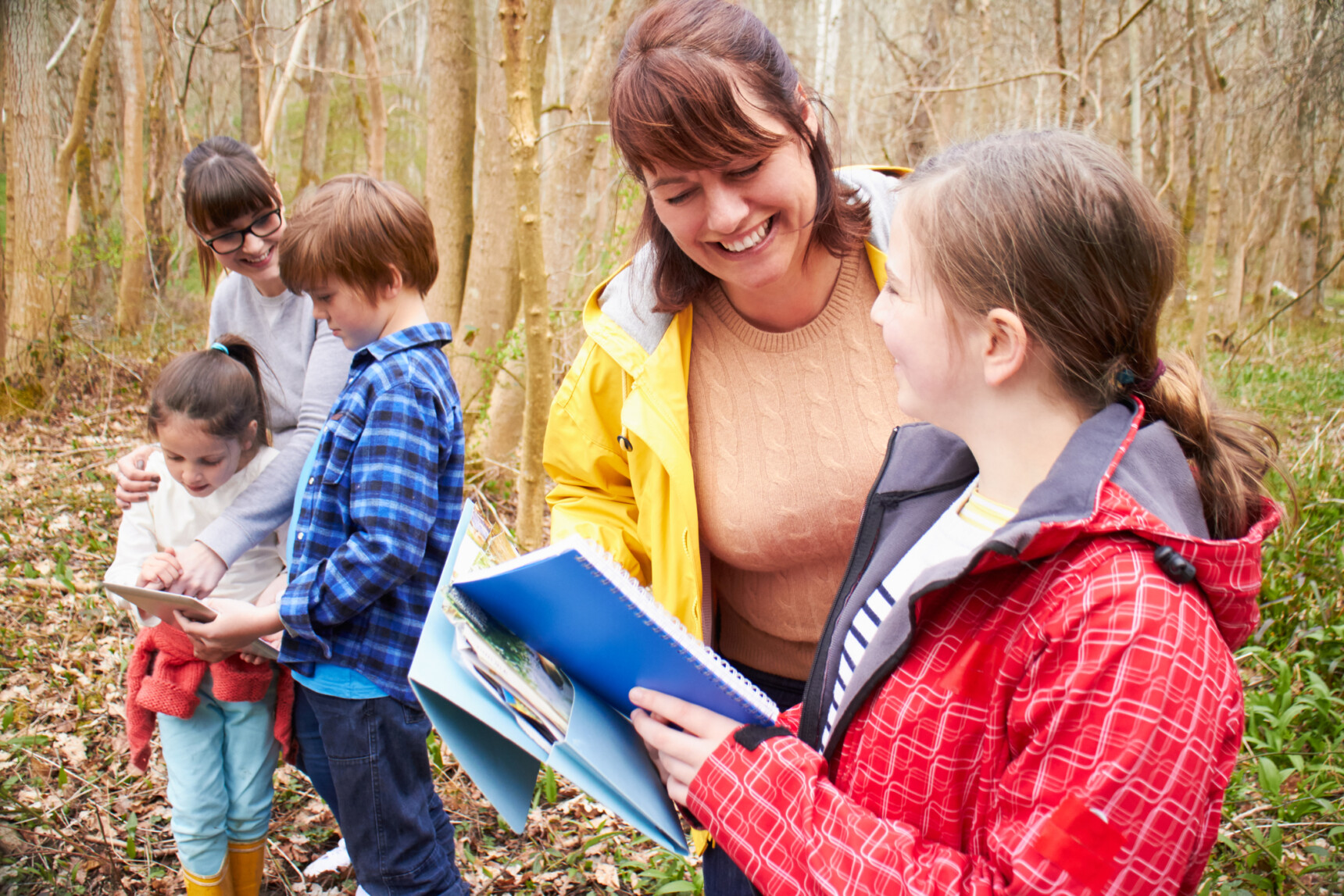
- Educational trips, visits, and activities outside the home
- In-person or online group learning with a teacher
- Online courses
- Support from tutors, either one-to-one or in a group

The approach a family takes can also change over time. For example, younger children may spend more time learning through play-based and practical activities, while older students working towards GCSEs or other qualifications will need more structured study time and exam preparation.
There is no single “correct” way to home educate. What works well for one child or family may not work for another, and parents can adapt their approach as their child’s needs, interests, and educational goals change.
Why do families choose home education?
Families choose home education for a wide range of reasons. For some, home education is a positive choice; for others, it may be a route they have come to because school was not working for their child.
Some parents are drawn to a particular educational philosophy or prefer the opportunity to provide a more personalised education, allowing their child to explore particular interests or learn at their own pace. Others may feel that a traditional school environment is not meeting their child’s individual educational or wellbeing needs.
Reasons may include:
- A preference for a different approach to learning
- Greater flexibility around when, where, and how a child learns
- A child’s individual educational needs, including special educational needs and disabilities (SEND)
- Health or wellbeing considerations
- Difficulties with a child’s experience of school
- The opportunity for a child to learn at a different pace
What about children with SEND?
Home education can be an option for children and young people with special educational needs and disabilities (SEND). It can give families flexibility to adapt learning around a child’s needs, including their interests, preferred ways of learning, and their pace of learning. This might involve using specialist resources, tutors, or other forms of support.
However, home education does not automatically provide access to the same support or services that a child may receive through school. The arrangements for SEND support also differ between England, Wales, Scotland, and Northern Ireland, so families should check the guidance that applies where they live.
What if a child has an EHCP?
In England, a child with an Education, Health and Care Plan (EHCP) can be home educated. However, choosing elective home education can change who is responsible for providing the provision set out in the plan. Parents should therefore consider carefully how their child’s needs will be met and seek advice from their local authority or a specialist SEND organisation before withdrawing their child from school.
If a child attends a special school, parents also need the local authority’s permission before withdrawing them for home education.
It’s also important to understand that elective home education is not the same as Education Otherwise Than In School (EOTIS). EOTIS is an arrangement under which a local authority provides special educational provision outside a school, nursery or college when it is not appropriate for that provision to be made in a setting. For more information about the differences between home education and education otherwise, see IPSEA’s guide to home education and ‘education otherwise’.
Is home education legal in the UK?
Yes. Home education is legal throughout the UK, and parents have the right to choose to educate their children outside of school.
Parents do not have to follow the curriculum used in schools, and home education does not have to replicate the way children are taught in school. Families can choose their own approach to learning and how learning is organised, provided they meet the legal requirements of providing a suitable education.
There are some differences in the legal framework for home education between England, Wales, Scotland, and Northern Ireland in areas such as withdrawing a child from school, the role of local authorities, and the terminology used in legislation, so it is important to understand the rules that apply where you live.

What is a “suitable education”?
In England and Wales, Section 7 of the Education Act 1996 places a duty on parents to ensure that their child receives an efficient, full-time education suitable to their age, ability and aptitude, and to any special educational needs or additional learning needs they may have. This can be provided at school or otherwise, including through home education.
The law does not prescribe a particular curriculum or teaching method, and there is no single definition of what constitutes a “suitable” education.
How do you deregister your child from school?
If your child is currently registered at a mainstream school in England, you should let the school know that you are choosing to home educate and instruct them to remove your child from their register. If your child attends a special school, the process is different and requires local authority consent.
The process for withdrawing a child from school differs between England, Wales, Scotland and Northern Ireland, so check the official guidance for the nation where you live to make sure you understand the process and any requirements that apply to your circumstances.
Read the official guidance for your nation
If you are considering home education, we strongly recommend reading the official guidance for the nation you live in. This guidance provides the most up-to-date information about parents’ rights and responsibilities, as well as the role of local authorities and other relevant bodies.
- England: GOV.UK – Elective Home Education
- Wales: Welsh Government – Elective Home Education Guidance
- Scotland: Scottish Government – Home Education Guidance
- Northern Ireland: Education Authority – Guidelines for Elective Home Education
Changes to home education law
The Children’s Wellbeing and Schools Act 2026 introduces a number of changes affecting children who are educated outside school in England and Wales. These include new Children Not in School registers, additional responsibilities for local authorities, and changes to the process for withdrawing some children from school for home education.
The changes will not all take effect immediately, and some of the practical details require further regulations and guidance before they can be implemented. If you are considering home education, it is therefore important to check the latest official information.
Who can home educate?
A parent or guardian with parental responsibility can choose to educate their child at home rather than sending them to school. You don’t need to be a qualified teacher or have any formal teaching qualifications. So, if you’re wondering whether you’re suddenly expected to become a teacher too, don’t worry – you’re not!
Parents are responsible for ensuring that their child receives a suitable education, but this doesn’t mean they need to deliver lessons in the same way as a teacher in a school. Instead, they can take on more of a facilitator role, helping their child find the right resources, activities, and learning opportunities, providing guidance and support, and encouraging them to explore their interests.

Families can draw on a wide range of resources and support to help meet their child’s educational needs. This might include attending local home education groups or classes, using online resources and course providers, or enlisting the support of tutors. Parents can choose the combination of resources and support that works best for their child.
As children get older, particularly during their teenage years, they may take increasing responsibility for aspects of their own learning. Older students can develop independent study skills, use online resources, and work through course materials themselves, with parents continuing to provide guidance, support, and oversight as needed.
Do home-educated students have to follow the National Curriculum?
No. Home-educated students do not have to follow the National Curriculum. Parents can choose an approach to learning that reflects their educational philosophy and their child’s interests, needs, and educational goals. They do not have to follow the same subjects, textbooks, timetables, or teaching methods used in schools.
Students working towards formal qualifications such as GCSEs or A Levels will need to work towards the requirements of the particular qualification they intend to take. They still do not have to follow the National Curriculum, but they will need to follow the specification for their chosen qualification and exam board. For example, a student preparing for GCSE Maths will need to cover the content and assessment requirements set out in the relevant exam board specification.
This can give home-educated students considerable flexibility. Families can choose resources and approaches that suit the student while using the relevant qualification specification to make sure they are covering the material needed for their exams.

Can home-educated students take GCSEs and A Levels?
Yes. Home-educated students can choose to take GCSEs and A Levels.
There is no general legal requirement for home-educated students to sit formal exams or gain qualifications, and families can choose whether working towards qualifications is right for their child and their future plans.
However, qualifications can be important for accessing certain future education and training pathways. For example, many sixth forms and colleges offering A Levels, T Levels, and other post-16 qualifications have entry requirements based on GCSEs or equivalent qualifications.
For those who want to go on to university, A Levels or other Level 3 qualifications are commonly used to meet university entry requirements, although the specific requirements vary between courses and institutions.
For families who do choose to work towards formal qualifications, there are significant practical and financial considerations.
How do home-educated students take exams?
The main difference is that a home-educated student does not automatically have a school to enter them for their exams. Parents or students therefore need to find an exam centre that accepts private candidates and make arrangements for the exams to be taken there.
Not every exam centre offers every qualification, so it’s important to investigate this before choosing a course or qualification. This is particularly important for subjects that include coursework, practical assessments, or other non-exam components, as these may require additional arrangements.
In some cases, the practicalities of taking an exam as a private candidate can influence which qualification a home-educated student chooses. For example, some students choose an IGCSE rather than a GCSE where the assessment structure is easier to arrange.
GCSE English Language is one example: some specifications include a spoken language component that an exam centre needs to arrange for private candidates, and not all centres offer this. GCSE Science can also involve practical assessment requirements that may be more difficult to arrange as a private candidate. IGCSE Science specifications offer an alternative where the assessment arrangements are more straightforward.

How much do GCSE and A Level exams cost?
There is no single set price for private candidate exams. Fees vary depending on the qualification, subject, exam board, and exam centre, with centres charging their own administration fees in addition to the exam board entry fee.
As a rough guide, a GCSE or IGCSE entry might cost around £200-£350 per subject, although some subjects can cost £500 or more due to multiple papers or additional costs for practical or non-exam assessments. When you consider that a student may be taking several subjects, these costs can quickly add up.
A Level exam costs are higher and can also vary considerably between exam centres. As a rough guide, families can expect to pay around £350–£700 per subject, with around an extra £800–£1,200 for science subjects to cover the practical endorsements.
It’s also important to be aware of late entry fees. If you enter for an exam after the exam centre’s normal entry deadline, additional fees usually apply, which can significantly increase the overall cost.
The exam fees are only part of the overall cost of studying for formal qualifications. Families may also need to budget for textbooks, online courses, tutoring, and other learning resources.
We’ll cover the process of choosing qualifications, finding an exam centre, and entering exams in more detail in our next home education article: A guide to GCSEs for home-educated students.
Does home education affect future education opportunities?
Home education itself does not prevent students from progressing to further or higher education. As with school students, what matters is the qualifications and grades they obtain and the entry requirements of the course or institution they want to apply to.
Home-educated students can use GCSEs/IGCSEs, A Levels, and other qualifications to progress to sixth form, further education, apprenticeships, university, and other pathways, just as other students do. Entry requirements vary, so it’s important to check the requirements for the intended next step when choosing qualifications.
What about socialisation?
A common question about home education is whether children miss out on opportunities to socialise with other children.
Home education does not mean spending all day at home, and children can have opportunities to socialise in a wide range of settings.
Home-educated children might take part in local home education groups, sports clubs, music or drama groups, youth organisations, classes, and community activities. They may also spend time with friends, siblings, and extended family.

For some families, local home education groups are an important part of their weekly routine. These groups can provide opportunities for children to meet regularly, develop friendships, and take part in activities with other home-educated children, while also giving parents the chance to connect with others who are home educating.
The amount and type of social interaction will naturally vary from child to child. Some children may have a wide range of regular activities and social groups, while others may have a smaller circle of friends and a select number of activities that they take part in.
Home education can also give children opportunities to socialise with people of different ages. While children in school often spend much of their day with others of a similar age, home-educated children may have regular contact with younger and older children as well as adults through local groups, clubs, activities, sports, educational trips, and their wider community.
Where can parents find support?
General advice and support
Sources of support for home-educating families range from local in-person meet-ups to online communities and national organisations.
- Education Otherwise: One of the longest-established organisations supporting home educators in the UK. It provides information about home education, legal rights, and practical issues.
- Educational Freedom: a non-profit organisation providing information and support for home-educating families.
- UK-wide Facebook pages. Online groups for home-educating families to share information and support. Popular groups include:
– Home Education UK
– Home Education For All (HEFA) UK
– Home Education UK Exams & Alternatives - Local area Facebook pages: These are essential for connecting with other families in your area and finding out about local activities and meet-ups. Try searching Facebook for “[your town, city, or county] home education”.
- Home Education Exams Wiki: A resource created by home educators to help other home-educating families navigate qualifications, exams, revision, and other practical aspects of home education.
Educational resources
From online course providers and educational websites to local tutoring groups, art classes, sports clubs, forest schools, libraries, and museums, there is a huge range of educational resources available to home-educating families.
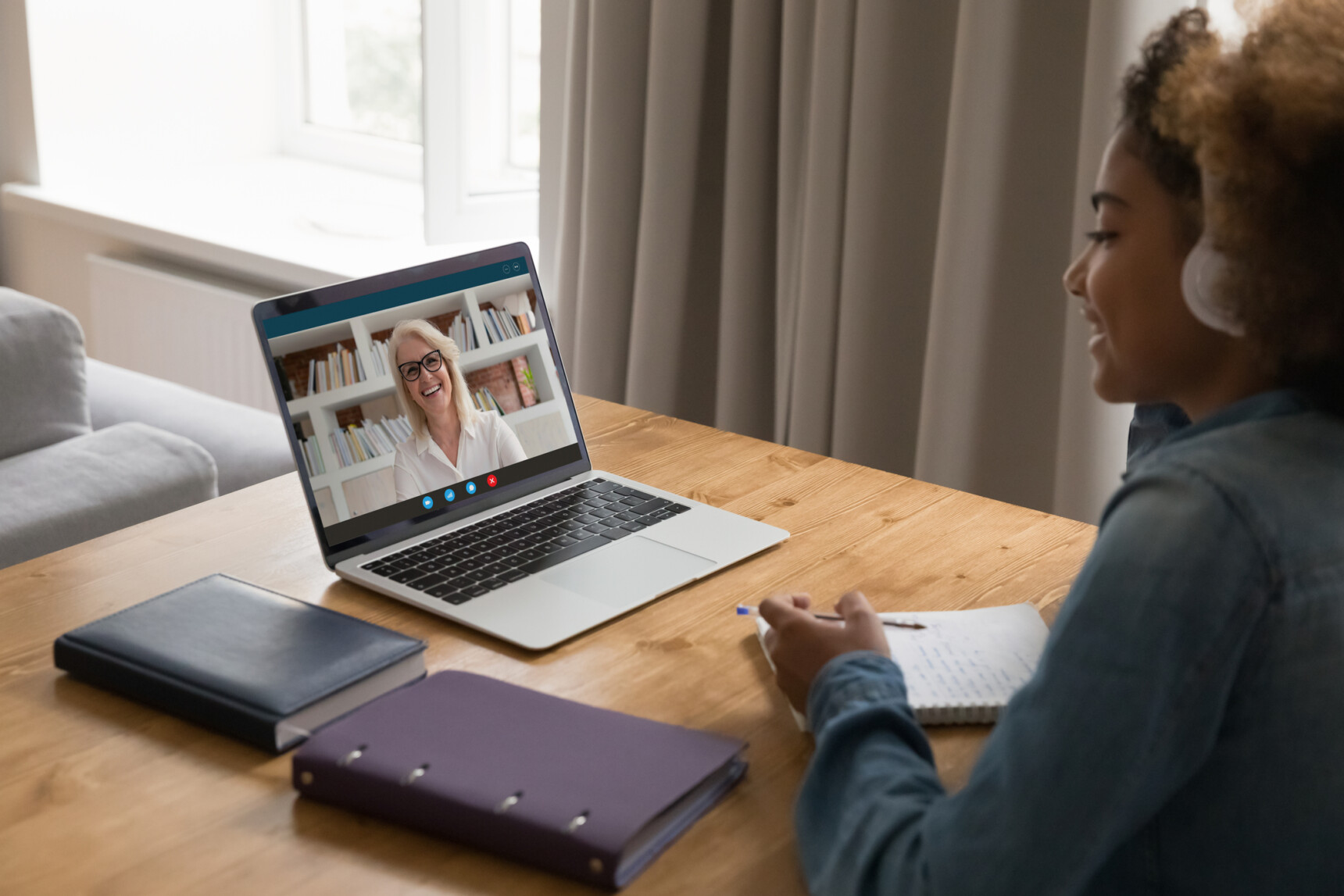
For older students, particularly those working towards GCSEs or A Levels, it can be useful to seek subject-specific support and to plan ahead for qualifications and exams.
Resources that may be useful for GCSE and A Level students include:
- Exam board websites: For qualification specifications, past papers, and mark schemes
- Textbooks: Look for textbooks and workbooks that are written specifically for your chosen exam board specification.
- Websites: Free resource websites include BBC Bitesize, Physics & Maths Tutor, and Maths Genie
- YouTube Channels: For example, Mr Bruff for English and Science with Hazel
- Online course providers: There are many different online course providers, covering a variety of subjects and qualifications. Facebook groups can be a useful place to find recommendations, and some providers offer a free trial session before you commit.
- Revision courses: Revision courses can provide focused support, helping students review key content, practise exam questions, and prepare for their exams.
- Tutors: Both in-person and online tutoring can provide additional subject support and help with exam preparation.
- Online schools: Online schools can provide a more structured approach to learning, with scheduled lessons, teacher support, and opportunities to work towards recognised qualifications.
We’re planning a future article on the best free resources for home educators. You can sign up for our monthly newsletter to receive our latest blog articles and resource updates.
Free GCSE and A Level resources on Physics & Maths Tutor
Physics & Maths Tutor provides a large collection of free revision resources for GCSE and A Level students, covering maths, English, science, geography, economics, psychology, and computer science.
Resources include past papers and mark schemes, revision notes, exam questions by topic, and other materials designed to support independent study and exam preparation.
All of the resources are free to access and can be used alongside other learning materials, courses, or tutoring.
For more details, check out our article: Physics and Maths Tutor: A complete guide to using the site.
Home education can look very different from one family to another. There is no single approach that a family needs to follow, and parents can adapt their child’s education around their individual needs, interests, and future plans.
This means families have considerable flexibility in how they approach learning. Children can learn through a combination of practical activities, classes, courses, tutors, and independent study. There are also many opportunities for children to socialise and for parents to connect with other home-educating families.
Home-educated students can and do take GCSEs and A Levels, although they require additional planning and organisation when sitting exams as private candidates.
Overall, home education can provide a flexible way for children to develop their knowledge, skills, and interests while supporting their individual needs and preparing them for whatever comes next.

 Copy URL








Comments