
 5 Minute Read
Contents:
Mock exams can be a tense and stressful time for both students and parents, but a few simple strategies can make the experience much smoother.
By creating a calm, encouraging study environment at home, you can help your child feel confident and well-prepared as mock exam season approaches. This is especially valuable if it’s their first time sitting in an exam hall! Read on for five practical mock exam tips to help you effectively support your child.
1. Help them plan a revision schedule
How your child structures their revision will depend on what works best for them. Some students thrive with flexibility, simply breaking down what they need to cover each week—for example, “I’ll focus on X, Y, and Z this week, and A, B, and C next week.” Others prefer a more detailed timetable, planning exactly what to study and when each day. Help your child find the approach that suits them best.

Getting into the habit of planning revision and developing a regular study routine is excellent preparation for their actual GCSE and A Level exams. It will be particularly helpful when study leave for their final exams begins and the usual structure of their school day disappears.
At the same time, make sure your child isn’t overloading themselves. Rest and relaxation are just as important as revision, giving their brain a chance to consolidate what they’ve learned. This brings us to our next mock exam preparation tip…
2. Remind them to take breaks!
Mock season can be stressful, and many students find it hard to step away from their revision. One of the most important mock exam tips is to make sure your child balances focused study with regular relaxation to avoid burnout.

Regular breaks give your child a chance to switch off, relax, and recharge, which ultimately helps with their focus and retention. If your child is feeling particularly anxious about exams, there are helpful wellbeing resources available. For example, YoungMinds offers guidance on dealing with exam stress, or you could encourage them to talk to a teacher or a member of pastoral staff about how they’re feeling.
Our student article, How to manage exam anxiety is also packed with tips to help students stay calm and confident before, during, and after their exams.
3. Direct them towards online resources
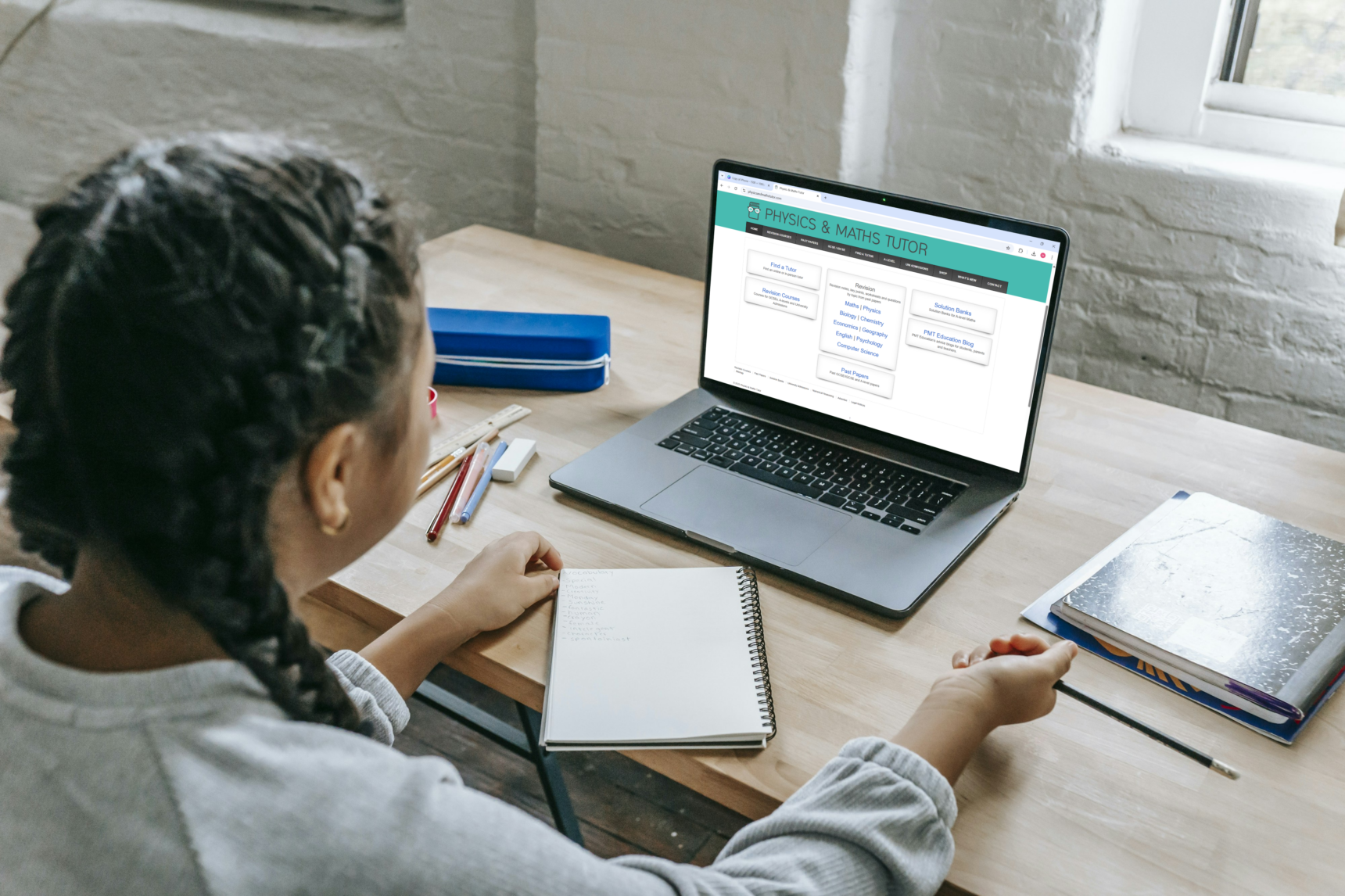
The internet is full of free resources your child can use to support their mock exam preparation. Study notes, flashcards, quizzes, and other materials can help students absorb, recall, and remember what they’re studying. They’re especially useful for content-heavy subjects such as the sciences, English, and humanities.
Physics & Maths Tutor offers a wide range of free revision resources across nine different subjects. If you’d like a walkthrough of what’s available and how best to navigate the site, take a look at our article: Physics & Maths Tutor: A Complete Guide to Using the Site.
Digital tools can also make mock exam preparation more efficient and accessible. There are plenty of apps designed to support revision—from note-taking and flashcard creation to reducing distractions and improving focus. For recommendations, check out our student article, 8 must-have student revision apps.
4. Encourage past paper practice
One of the most effective mock exam tips is to practise with past papers. Encourage your child to time themselves as they complete a full paper, then mark it using the corresponding mark scheme. This helps them become familiar with the exam format, manage their time effectively, identify where they are losing marks, and highlight topics that need extra attention.
In addition to full past papers, the Physics & Maths tutor website provides banks of past paper questions conveniently arranged by topic. These are ideal if your child needs extra practice on specific topics that they find more difficult.
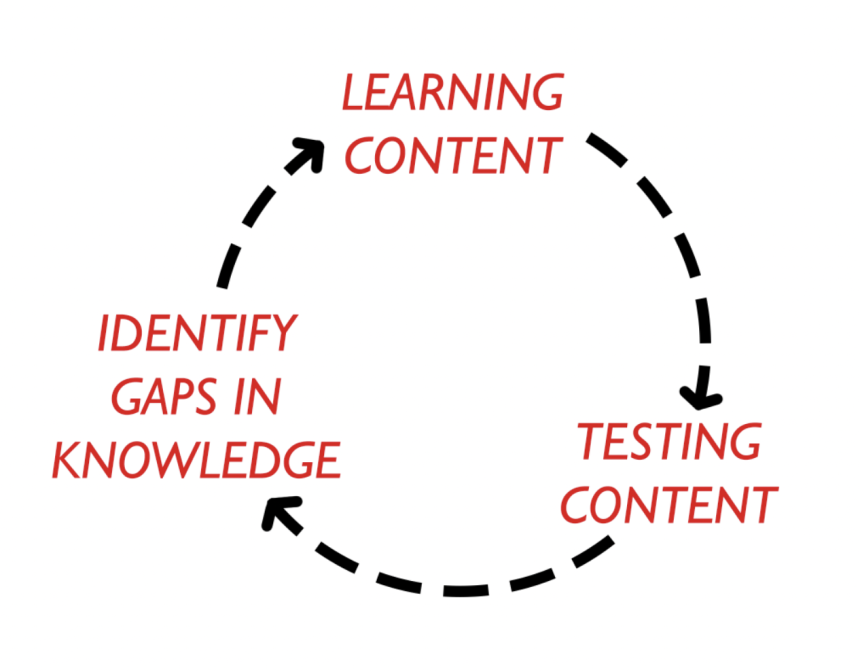
Many students find a revision cycle helpful: learn the content → test themselves → identify gaps → repeat. This method helps ensure they cover everything they need to know.
Another way to make sure your child covers all of the required content is to check that they have a copy of the exam board specification for each subject. These documents, available on the official exam board websites, list all of the required content for each course, and your child can tick off topics as they revise to make sure nothing is missed.
5. Create a calm and supportive study environment
A calm, encouraging environment at home can make a huge difference to how well your child revises and copes with the stress of mock exams. Make sure they have a quiet, comfortable space to study, free from distractions, with everything they need at hand—stationery, textbooks, and any digital resources.

Emotional support is just as important as a physical space. Show interest in their progress, celebrate achievements, and offer reassurance when they feel overwhelmed. Encourage open communication so your child feels comfortable sharing worries or asking for help.
You can also help them establish healthy routines, such as regular meal times, sufficient sleep, and short breaks during study sessions.
Finding the right balance between providing support and encouraging independence can be tricky. Make sure your child knows you’re there for them if they need any help, but avoid spoon-feeding or pushing them too hard.
At the end of the day, exams and qualifications aren’t everything. Your child may feel pressure to perfect their mocks, but it’s important to remind them that these are just practice for the ‘real thing’. And even if something doesn’t go as planned on their actual exam day, it isn’t the end of the world—there are plenty of options and opportunities available.
For more mock exam tips, encourage your child to read our student article How to Ace Your GCSE or A Level Mock Exams. It’s filled with practical guidance to help students stay calm and confident throughout mock season.

 Copy URL








Comments