

 9 Minute Read
Contents:
Were your child’s GCSE mock exam results lower than expected? For many families, this is the moment attention shifts to the final exams, and parents start asking how to improve GCSE grades in the weeks ahead. This might be especially true if certain grades are required for sixth form or college courses.
Supporting a teenager through their GCSEs can be challenging. Courses, exams, and grading systems have likely changed since you were at school, and it’s natural to wonder how to help with revision and encourage your teen without adding extra stress.
The good news is that you don’t need to be a subject expert or a full-time revision coach to make a real difference. This guide shares 7 practical strategies you can use to help your teen improve their GCSE grades while nurturing their confidence, motivation, and overall wellbeing.
1. Set realistic targets
GCSEs are typically studied in Years 10 and 11, with final exams taken at the end of Year 11. Grades are awarded on a 9–1 scale, with 9 being the highest.
Working out what grades your child should be aiming for comes down to a combination of school guidance, past performance, and future goals. Here’s how parents (and students) can set realistic targets:
Check school recommendations
Most schools provide predicted grades, target grades, or “expected progress” indicators based on your child’s prior attainment in mock exams, coursework, and other assessments – as well as their attendance, engagement and commitment to their studies. These are a reliable starting point for setting realistic goals.
Consider future plans
Some grades are needed for specific courses, sixth form, or college pathways. Knowing the entry requirements for your child’s preferred options can help focus revision efforts and set meaningful targets.
Use mock exams wisely
Mock exams are practice exams designed to mirror the real thing. Schools use them to assess progress and identify areas that need further work ahead of final exams.
It’s important to remember that mock results are feedback tools, not final judgments. They provide valuable insight into how your teen is doing right now and can help set realistic targets and refine revision priorities before exam season begins.
Focus on progress, not perfection
Every student starts from a different point. A grade 5 may represent a huge improvement for one student while a grade 7 may be a significant step forward for another. Targets should be personal and progress-focused, rather than based on comparison with others.

2. Plan ahead
Once you know what grades your teen is aiming for, the next step is to help them plan their revision. Effective revision planning helps your teen stay organised and make the most of their study time.
Learn from mock results
Mock exams are an invaluable tool because they highlight both your teen’s strengths and areas that need improvement.
Encourage your teen to:
- Review each subject and identify topics they found challenging
- Compare their answers to the mark scheme to understand where marks were lost
- Set specific targets for improvement in each subject
It’s also important to remember that strong knowledge of the course content doesn’t always translate into top marks. For some students, the challenge lies in exam technique or the practical application of knowledge. Mock exam results can reveal where a student needs practice in structuring answers, interpreting questions, or applying their knowledge under exam conditions.
For more guidance on working with their mock exam results, you can direct your teen to our student article: How to reflect on your mock exam results.
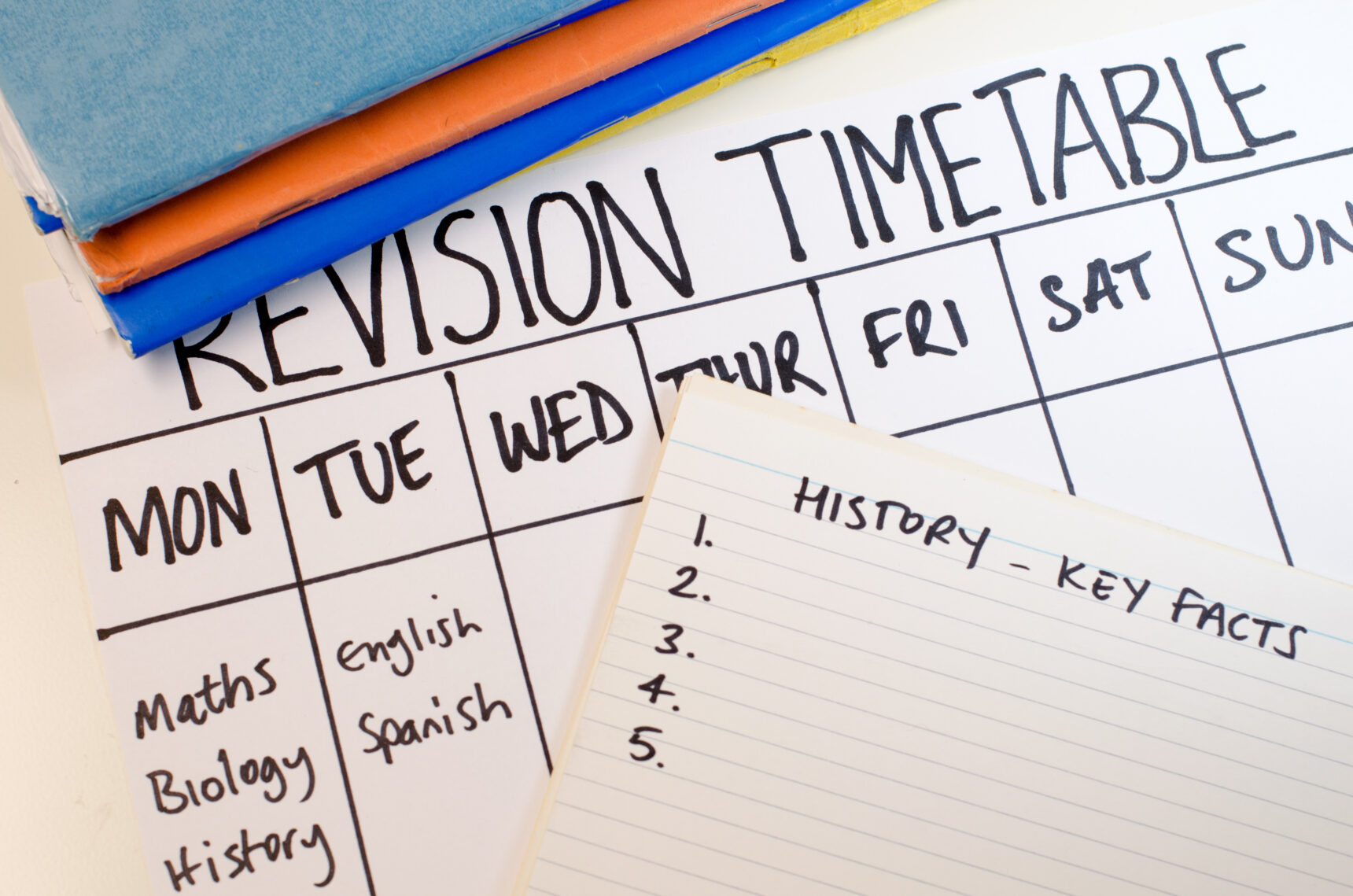
Create a revision timetable
Once your teen knows what to work on, a clear, realistic revision timetable helps them balance revision with schoolwork, downtime, and extracurricular activities, while avoiding last-minute “cramming culture”.
Advise your teen to:
- Begin early. Revising gradually over several weeks will help your teen remember more and feel less stressed.
- Break subjects down into topics. Consider using a traffic light system to prioritise topics based on confidence levels.
- Schedule short, focused sessions. Revising in focused intervals (e.g., 25 minutes of study followed by a 5-minute break) is more effective than long, unfocused hours.
- Include regular, longer breaks and rewards. This helps to prevent burnout and keeps motivation high.
- Be flexible. Your teen can adjust their timetable as progress is made or as new gaps are identified.
Using mock results to guide their revision schedule ensures that revision is targeted and efficient – a key step in how to improve GCSE grades.
Reminder: You don’t need to create the timetable yourself. Guiding your teen to plan their own revision encourages ownership, responsibility, and independence – crucial skills for exams and beyond.
3. Create a supportive home environment
One of the most effective ways parents can help to improve GCSE grades is by creating optimal conditions for studying. The right environment improves concentration, reduces stress, and makes revision feel more manageable.
Encourage healthy daily routines
Simple day-to-day routines can have a big impact on focus and wellbeing:
- Sleep, nutrition, and exercise: Make sure your teen gets enough sleep, eats balanced meals, and stays physically active, all of which support concentration, memory, and overall wellbeing.
- Breaks and downtime: Encourage short breaks and downtime between study sessions to help them recharge.
- Consistent schedules: Support regular wake-up times, bedtimes, and mealtimes to create stability during what can be a stressful exam period.

Create a comfortable, low-distraction space
A dedicated study area doesn’t need to be perfect, but it should be:
- Comfortable: A suitable chair and desk that allow them to work comfortably
- Well-lit: Good lighting reduces eye strain
- Organised and distraction-free: Digital distractions are often the hardest to manage
Even in a busy household, small adjustments – like moving materials to a quiet corner, using headphones, or coordinating with siblings – can make a big difference. For more practical tips, see our article: How to create a productive study space for your teen.
4. Help your child revise smarter, not longer
It’s natural to think that the more time your teen spends revising, the better their results will be. However, one of the main reasons GCSE grades don’t improve is that many students rely on revision strategies that don’t actually work very well. Simply rereading notes or highlighting large sections of text may feel productive, but these methods have little impact on long-term learning.
When thinking about how to improve GCSE grades, one of the most important things you can do is look at how your teen revises, not just how long they revise for.
Effective revision techniques
Encourage your teen to use active revision techniques such as:
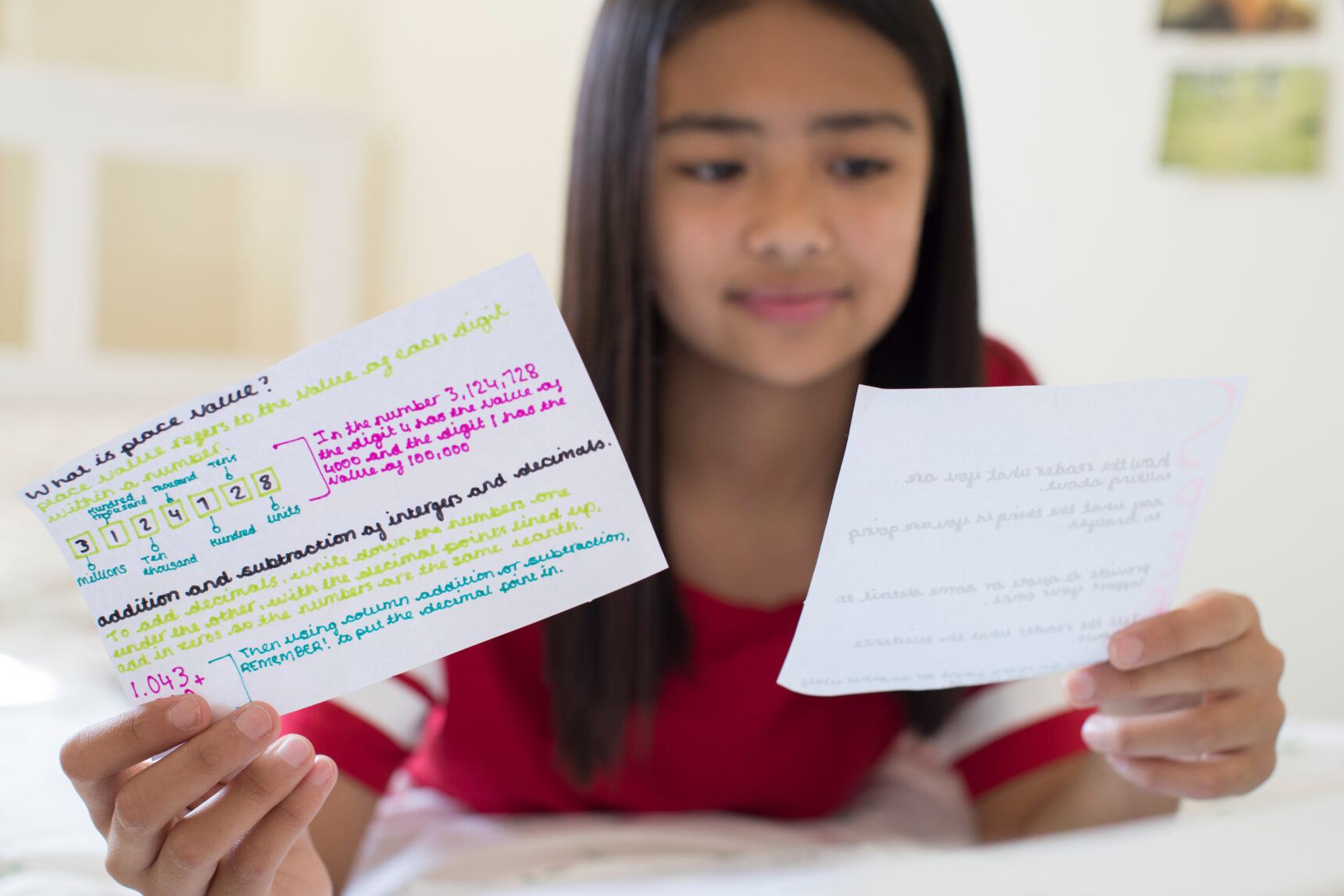
- Active recall: Testing knowledge from memory is more effective than passively reviewing notes. You can help your teen by using flashcards or asking them to explain a topic to you.
- Spaced revision: Revisiting topics over time strengthens retention.
- Practising past papers: Past papers, along with predicted papers, help familiarise your teen with exam formats and timing. They can use the mark schemes and examiner reports to understand how answers are scored.
- Visual aids: This involves creating diagrams, posters, or mind maps to represent key ideas.
It’s also important to focus on the areas your teen finds most challenging. Targeted revision ensures time is spent where it will have the greatest impact.
Resource tip: Physics & Maths Tutor offers free revision resources, including question-by-topic sets, flashcards, mind maps, past papers, and more – perfect for active revision and exam practice.
5. Encourage independence
Finding the right balance between being supportive and stepping back can be tricky for parents. By focusing on guidance rather than control, you’ll help your teen develop confidence, independence, and responsibility, all of which are essential skills for GCSE success and beyond.
Helpful support:
- Asking how revision is going, rather than simply whether it’s happening
- Planning revision timetables together
- Helping your teen find useful revision resources
- Encouraging them to take ownership of their progress
Unhelpful support:
- Constantly checking or micromanaging their revision
- Comparing them to siblings or friends

Need support with GCSEs? We can help.
From tackling tricky topics to fine-tuning exam technique, our carefully selected tutors provide personalised support to help your teen gain confidence and achieve their best results.
Find a tutor6. Nurture confidence and wellbeing
Understanding how to improve GCSE grades also means recognising the role confidence, motivation, and emotional wellbeing play in exam performance. There are several ways you can foster self-belief in your child.
Praise effort, not just grades
Encourage consistency, steady progress, and a willingness to tackle challenging topics. Focusing on effort rather than outcomes reinforces self-belief and a positive attitude toward learning.
Normalise setbacks
Mock results or performance on past papers can be disappointing. Help your teen view setbacks as:
- Feedback, not failure
- An opportunity to adjust revision strategies
Learning from mistakes helps your teen build resilience, stay motivated, and develop a growth mindset.
Watch for stress signals
A little exam anxiety is normal, but persistent worry, poor sleep, or low mood is a signal that your teen’s wellbeing needs attention first. The mental health charity YoungMinds has an excellent guide on supporting young people during exam season.

7. Seek extra support when needed
Sometimes, even with good routines and consistent effort, students benefit from additional help.
Extra support may be particularly useful if:
- Grades have plateaued
- Confidence is low
- Key content gaps remain
- A specific grade is needed for sixth form or college courses
Support options can include:
- School-led intervention: Speak to your child’s teacher about available support.
- Private tutoring: Personalised one-to-one tuition sessions tailored to your teen’s specific needs.
- Revision or crash courses: Short, intensive revision courses offered by various providers in the run-up to exams.
For guidance on finding the right private tutor, see our article: How to find the perfect tutor for your child
Helping your teen succeed in their GCSEs is about providing guidance and encouragement and creating the right conditions for learning.
Parents don’t need to have all the answers. Focusing on how to improve GCSE grades through small, practical steps – from setting realistic targets and helping plan revision, to fostering confidence and independence – can make a real difference.
Good luck over the coming weeks! For practical, parent-friendly strategies to help your teen stay confident, focused, and motivated, once exam season arrives, see our parent article: 8 tips to support your child during exam season.

 Copy URL






Comments