Welcome to the PMT Education Blog, a hub catering to students, parents, and teachers alike. Here, you’ll find a wealth of articles and resources designed to empower all members of the educational community. Explore topics ranging from student success and parenting tips to teaching strategies and more.
Not sure if A Levels are right for you? There are plenty of alternatives to consider, from BTECs and T Levels to apprenticeships, V Levels, and other vocational and technical qualifications. Find out what each option involves, how qualifications are taught and assessed, and where different pathways can lead after post-16 study.
Read More
Wondering how your child’s GCSE grades are determined? In this guide to GCSE grade boundaries 2026, we explain how grade thresholds are set, when they’re released, and why they matter. You’ll also find updated grade boundaries for key subjects once published – plus data from previous years to help put your child’s results into context.
Read More
Formative assessment helps teachers understand what students have learned while there is still time to address misconceptions and improve understanding. In this article, geography teacher Adam H. explores what formative assessment is and practical strategies that help make student thinking visible.
Read More
Effective communication with parents is one of the most important aspects of successful tutoring. In this guide, experienced maths tutor George B. shares practical strategies for setting expectations, building trust, handling difficult conversations, and keeping parents informed throughout the tutoring journey.
Read More
Unsure whether to request a GCSE remark? If your results were lower than expected, especially if you're just a couple marks away from the next grade up, a review of marking might be worth considering. This guide covers everything you need to know – from success rates and costs to deadlines and next steps if your grade doesn’t change.
Read More
 Students
Missed your grades? Changed your mind? Clearing 2026 could be your second chance at finding the right university course. This guide breaks down everything you need to know about the Clearing process, from key dates to how to apply – so you can make confident choices about your academic future.
 Students
Didn’t receive any university offers? Don’t fret – there are still plenty of pathways to explore. From UCAS Extra to considering vocational qualifications or taking a gap year, this guide offers you a multitude of options. It’s not the end of the road, just a different direction, and we’re here to help you navigate your options with confidence.
 Students
If you’ve ever been told that you “can’t revise for English Language”, think again. Unlike content-heavy subjects, success comes from practising key skills – such as analysing texts, structuring your answers clearly, and managing your time effectively. In this guide, we share our top tips to help you feel confident and prepared.
 Parents
If your child is starting tutoring for the first time, you may have a few questions about what will happen, whether they need to prepare anything, or how much you should be involved. In this article, we explain what typically happens in a first session, how you can help your child get ready, and what to expect from lessons as they progress.
 Teachers
In this article, Head of Year 11 Giorgio Rubbo shows how pastoral leaders can drive academic success by maintaining high expectations. He explores how equality of expectation signals belief in a student’s potential and ensures they are supported to thrive — making inclusion truly meaningful.
 Tutors
Professional boundaries are essential for safe and effective online tutoring. This article explains what professional boundaries are, why they matter, and how to manage common challenges, including off-platform communication requests, overly familiar interactions, and situations that require tutors to respond to safeguarding concerns.
 Students
Learn how to approach the unseen poetry section of the AQA GCSE English Literature exam with confidence. Written by an experienced English teacher and GCSE examiner, this guide provides step-by-step advice on how to unpick an unseen poem and organise strong responses to both the 24-mark analysis and the shorter comparison question.
 Students
Struggling with study motivation is completely normal, especially when revision feels overwhelming. Discover six practical strategies to help you stay focused, avoid burnout, and build long-lasting motivation. From managing distractions and setting SMART goals to balancing work with rest, these tips will help you keep moving forward.
 Parents
Wondering if your teen needs a tutor? Whether they’re struggling in a particular subject, aiming for top grades, or preparing for exams, tutoring can help strengthen understanding, build exam skills, and boost confidence. Explore the key points in your teen’s academic journey when tutoring can have the greatest impact.
 Teachers
Struggling to get every student thinking in English class? ABC questioning helps teachers move beyond cold call by encouraging debate and critical thinking. English teacher Andrew Atherton explains how simple Agree, Build, Challenge strategies and cue card games can transform classroom discussions. Perfect for lively English lessons!
 Tutors
As exams approach, managing parents’ expectations often becomes an important part of tutoring. Parents may feel anxious about their child’s progress and readiness for exams. Here, we explore how clear communication, realistic goal-setting, and a focus on steady improvement can help create a supportive and positive learning environment.
 Students
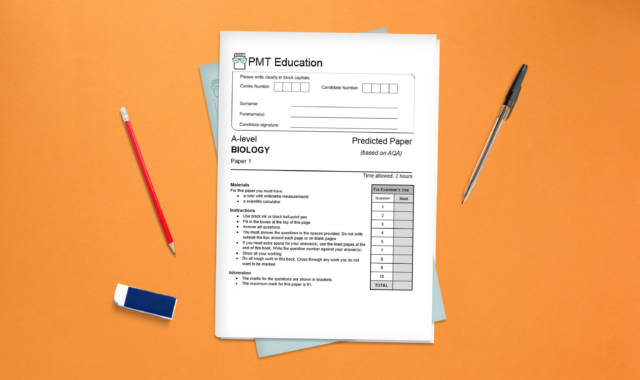
As exam season approaches, predicted papers are a smart addition to your revision toolkit. Created by experienced educators, they’re designed to reflect the structure and style of real GCSE or A Level exams. In this article, we explore how accurate predicted papers are, why they’re valuable, and how to use them effectively.

Discover a zero-fuss platform where you can search for high-calibre tutors, meet for interactive lessons and track progress – all in one place.


Comprehensive STEM (Science, Technology, Engineering, Maths, and Medicine) resources.

Affordable crash courses for GCSE, AS and A Level and University Admissions preparation.